
Workshop Replay: Mindful Communication
A conversation on making our hardest things an offering

“If we wish for a compassionate response from others, it is self-defeating to express our needs by interpreting or diagnosing their behavior. Instead, the more directly we can connect our feelings to our own needs, the easier it is for others to respond to us compassionately.”
― Marshall B. Rosenberg, Nonviolent Communication: A Language of Life: Life-Changing Tools for Healthy Relationships
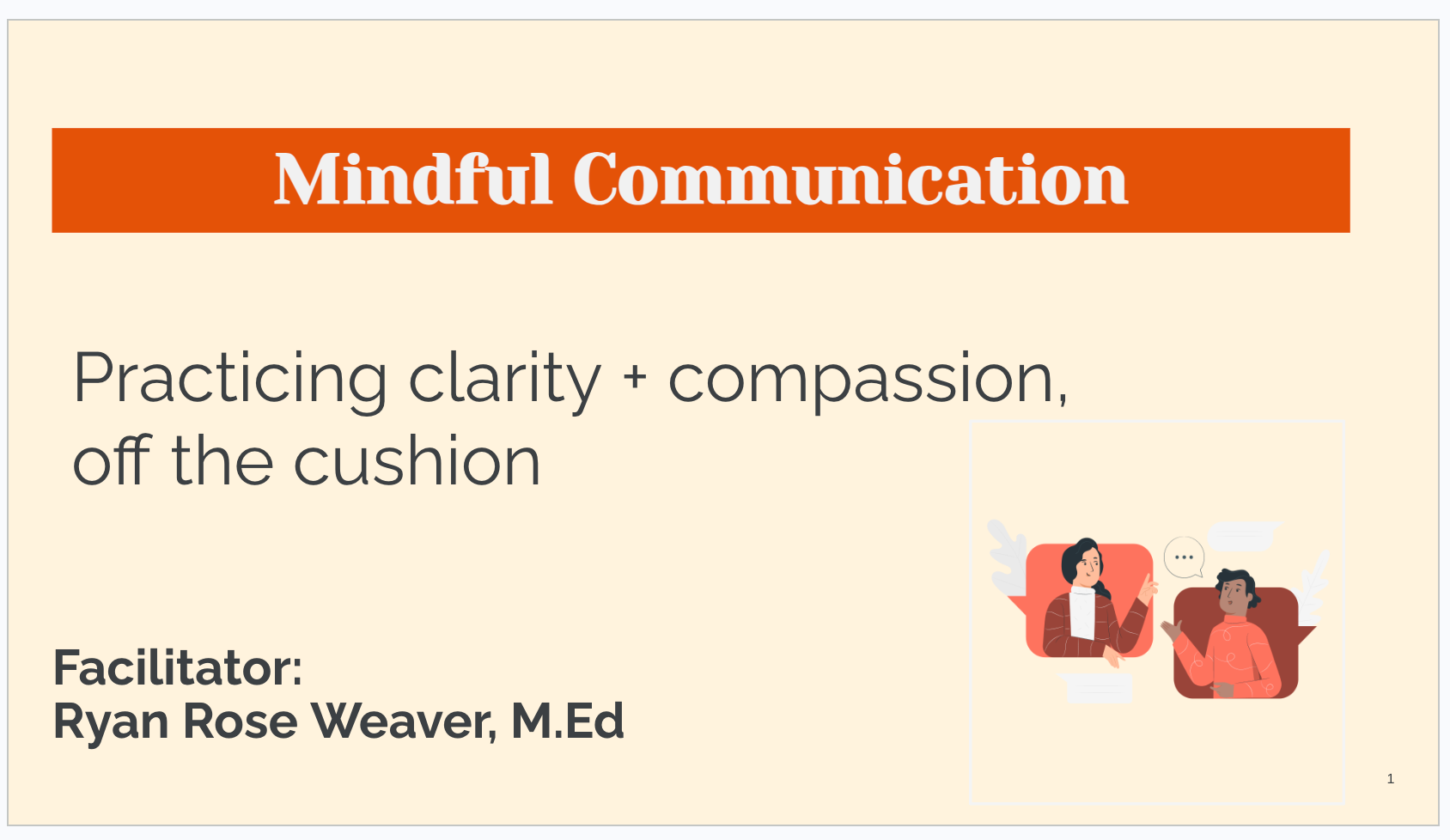
This post contains replay materials for a workshop I offered to In Tending community members recently called Mindful Communication.
In this workshop, we discussed the kinds of situations in which communication can become challenging, particularly in our families.
For example, we may have a partner who is ill or otherwise indisposed, and yet we need connection, or rest, or both. How to communicate this tactfully without triggering defensiveness?
We may be in a season in which we are deeply craving spaciousness and quiet, and yet we recognize that certain people in our lives have a need to be celebrated, or to gather together in celebration of others. How do we find a workable compromise?
Or, we may be co-parenting with someone post-separation, and figuring out how to negotiate shared expectations and schedules. How to do so diplomatically?
These are the kinds of everyday caregiving scenarios I rarely see discussed in mindfulness spaces. This is why In Tending exists.
Cooking our raw potatoes
Often, in situations in which we are interested in employing mindful communication, a rupture — or many ruptures — have already occurred. There’s a swirl of stories, emotions, and experiences of discomfort to navigate. Often, we’ve already tried our usual moves. We are struggling to stay regulated regardless, to stay within our integrity—but it’s hard.
In cases like this, we discussed an earthy simile that Zen Master Thich Nhat Hanh uses to describe processing difficult feelings, and knowing when they’re ready to expressed to others:
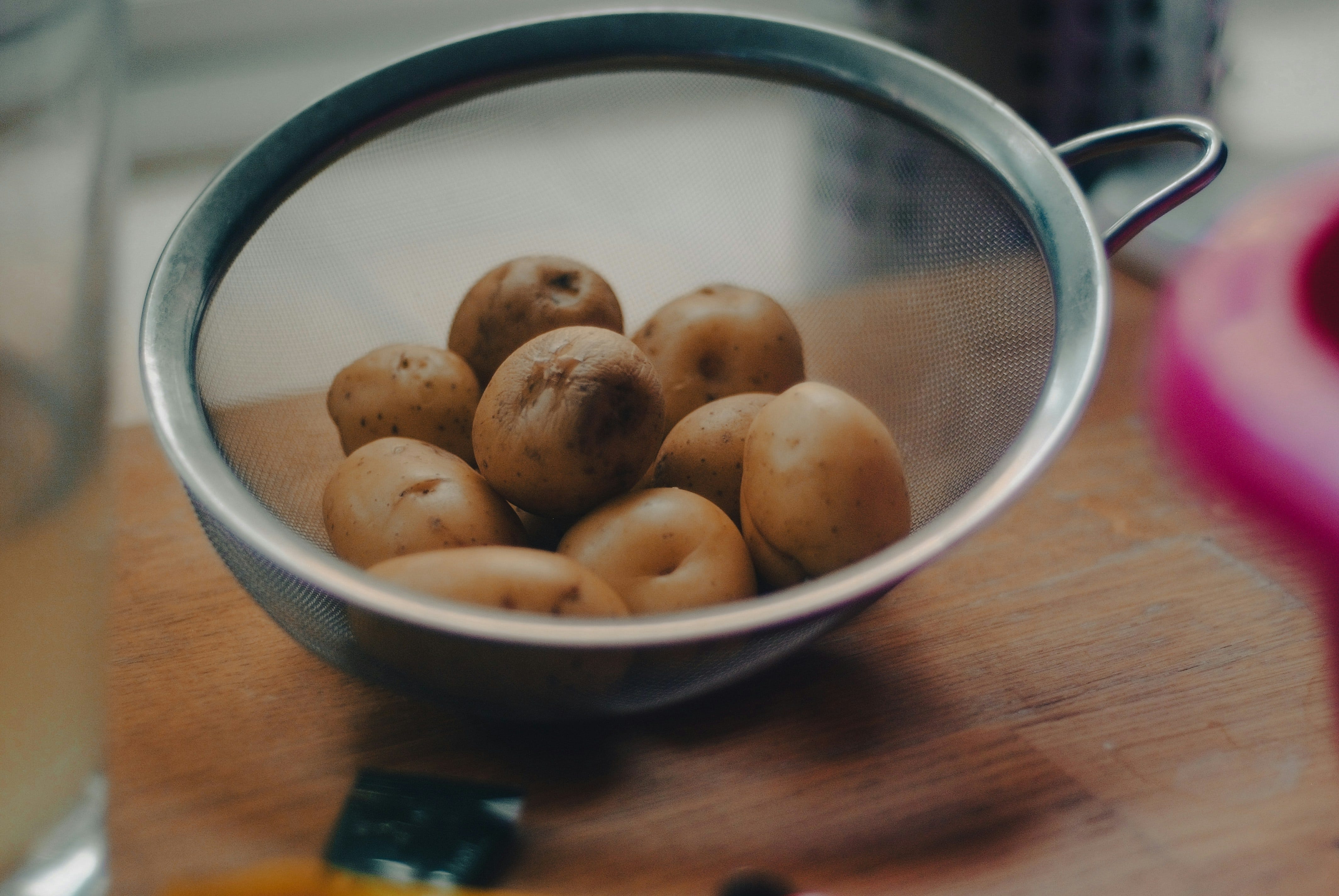
It’s like cooking potatoes.
As Thich Nhat Hanh writes in Anger: Wisdom for Cooling the Flames:
Your anger is a kind of potato, and you cannot eat a raw potato. Mindfulness is like the fire cooking the potatoes of anger… Anger is there, but it is being taken care of.
In this workshop, we walk through the steps of cooking the raw potatoes of our hard emotions—anger, fear, sadness, and other harbingers of unmet needs—so that the conversations we have can become a source of nourishment for our relationships, rather than a projectile that we lob at someone’s head.
Finding clarity through samatha-vipassana practice
This practice is like filling the cooking pot with water and setting it on the stove. When we take our posture, settle our bodies and gather our minds, we create a container for the contents of our minds to settle and to be contained within. As we sit, we see down through the clear water to the bottom of things. Not just our interpretations, but what can be directly experienced through the senses.
(Note: If you missed our workshop on how to engage in this basic mindfulness practice, you can access the replay here. You can also get a taste of this technique using this free guided meditation.)
Bringing warmth to the process through heart-based meditation practices
Inside the cold, clear water of this pot, our feelings, if they are especially raw, may feel solid as rocks. Inedible. Hard to penetrate. So from here, we can start to bring in a little warmth, in the form of heart-centered or compassionate mindfulness practices.
So, for example, we might work with RAIN meditation—a method in which we practice Recognizing, Acknowledging, Investigating and Nurturing our feelings.
We may engage in self-compassion practice to better discern our needs, asking ourselves, “What hurts?”
We may practice loving-kindness meditation, acknowledging that just like us, all beings want to be safe, happy and free.
When we bring in this kind of warmth on the cushion, we move from containing to cooking. Something is actually happening inside of the pot. It’s not just a settling, it’s actually a transformation of what’s inside.
(Note: If you missed our introductory workshop on these heart-centered practices, you can access the replay here. You can also try this free guided RAIN meditation here.)
Making an offering
When we are clear on the observations, feelings and needs associated with our difficult situation, then we know we’re ready to pull them out of the proverbial pot, and place our requests for others on the table.
And it may sound odd, to think of mindful communication as making an offering out of hard feelings like fear, anger or sadness. But when we invite others to witness our truth and collaborate in solutions with us, we are offering them a path back to connection. We are setting the table for a shared experience of empathy. We are inviting those with whom we are in relationship to nourish and be nourished by our ability to see and name what is, with both clarity and compassion.
This workshop aims to support you in doing just that.
Paid subscribers here at In Tending can scroll down now to access these workshop materials virtually below.
These materials allow you to do the following:
Watch the video and follow along with the exercises. (This is a great option for folks who may wish to share this practice with a loved one who can also benefit.)
Listen to the audio, akin to a podcast, and do the same. (Great for laundry folding marathons and those with long commutes, in my experience.)
Read the transcript at your own pace. (Sure beats the germ-ridden magazines at the doctor’s office.)
Workshop highlights
Each of our circles follows a fairly consistent structure.
We check in.
We talk a bit about what we’re all experiencing, and how mindfulness can support our needs and intentions at this time.
We meditate. I offer some gentle guidance. You get to go inward.
There’s time for Q&A and sharing of insights.
This last part of our gatherings always offers us a great chance to talk about where mindfulness practice gets hard or complicated, particularly for us as parents/caregivers. I find that this portion of our gatherings is sometimes just as important and just as fruitful as any words I have prepared beforehand.
During the Q+A/discussion for this workshop, we talked about:
How observing difficult caregiving scenarios as if you're behind a camera, rather than inside of the action, can reveal details and perspectives we may not have considered before
How sometimes, when we’re trying to keep everything on the outside together as caregivers, it can be very easy to lose contact with our inner feelings and needs—and how choosing a regular meditation practice can be preventative medicine for our relationships, by preventing the burnout and blowups that can result
How to remain in a collaborative place together, even if you know your conversation partner will not be able to meet 100% of your needs
Don’t have a paid subscription? You can click here to view your options, and upgrade to unlock the workshop materials below.
This workshop series is available for subscribers at all levels—monthly, annual, or those in the Mentorship Program.
That said, I’ll put in a plug for the Mentorship Program as being perhaps the best deal, because it also gives you:
A 1:1 personalized support session from me. We can use this session to help you figure out exactly how to put these insights into practice in your unique setting, in ways that work for your unique body and mind. No more fussing around with meditation apps, no more buying self-help books only to find your eyes glazing over when it comes to doing the practices, no more wondering if you’re “doing it wrong” or you’re “just bad at this.” Just actual human connection and coaching from someone who understands how hard it is to start and sustain a meditation practice amidst a busy life, and ongoing support and accountability that meets you right where you are.
An all-access pass to all future community workshops like this + all of our future expert-led workshops in 2026. You can view the full spring schedule here and the workshop archive here.
In the meantime, may this workshop help you move closer to both personal and collective liberation. And we hope to see you at the next one!
Warmly,